1. Benefits for NATO Countries: Access to Resources and Strategic Depth
The members of the Atlantic Alliance find in Mercosur a vital partner for their operational and economic resilience:
- Security of Critical Supplies: Preferential access to minerals for the energy transition, such as lithium and copper, is essential for NATO’s defense and technology industries.
- Energy Diversification: South America is consolidating as a stable alternative to volatility in other regions, offering massive potential in LNG (Liquefied Natural Gas) and Green Hydrogen.
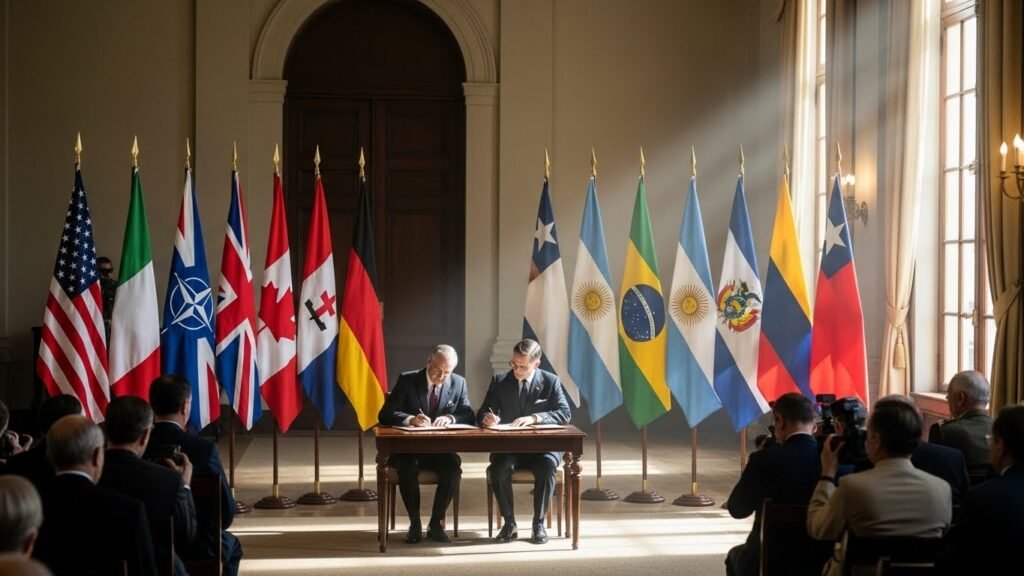
- South Atlantic Partner: The inclusion of countries like Argentina as a NATO “global partner” allows for the expansion of the monitoring and security network in a key maritime route for world trade.
2. Benefits for Mercosur Countries: Modernization and Market Opening
For South American economies, proximity to NATO and its members represents an opportunity for a technological leap:
- Dual-Use Technology Transfer: Mercosur companies can integrate NATO standards into their production, allowing them to export not just food, but defense technology and software to highly demanding markets.
- Investment Incentives (RIGI): Frameworks like the RIGI in Argentina offer stability for 30 years, facilitating the landing of European and North American capital in large infrastructure projects.
- International Quality Standards: Adopting the Alliance’s technical regulations improves the competitiveness of regional SMEs, enabling them to integrate into global value chains.
3. 2026 Business Roadmap: High-Potential Areas
The convergence between both blocs has opened specific market niches projected for sustained growth over the next decade:
Approval Process
A. Defense and Cybersecurity
Modernizing armed forces through local co-production is the most dynamic area. Turkish companies, such as ASELSAN, already lead this model in Argentina with radar systems and naval electronics, serving as an example for other NATO members.
B. Next-Generation Energy and Mining
Mercosur offers opportunities exceeding USD 40 billion in energy infrastructure (Vaca Muerta) and mining. NATO’s demand for low-emission technologies favors investments in renewable energy in Patagonia and the mining-rich north.
C. Logistics and Smart Agribusiness
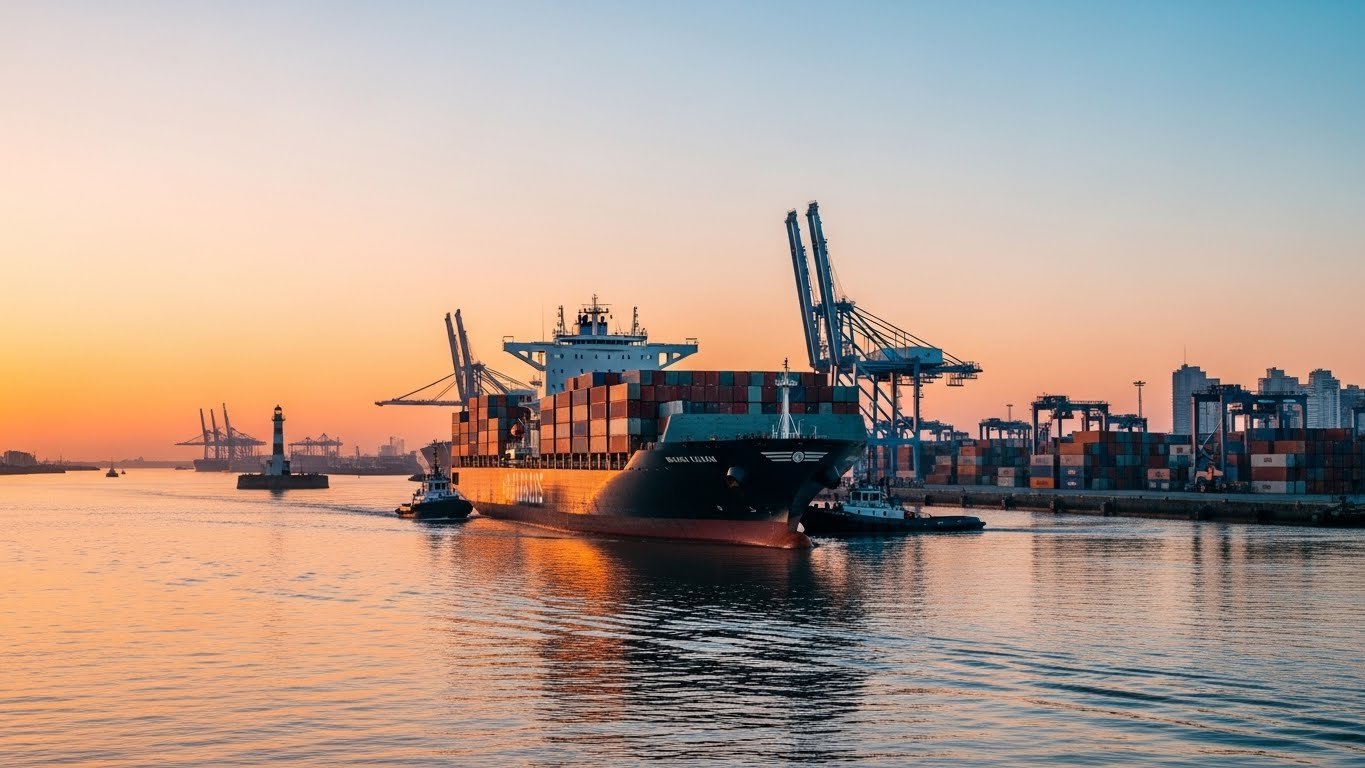
The 2025 air agreement and the expansion of Turkish Airlines have facilitated the transport of high-value cargo. Furthermore, investment in processing plants under international standards allows Mercosur to supply global food demand with higher value-added products.
The alliance between NATO and Mercosur in 2026 is not just a security pact but a multidimensional business platform. The regulatory stability offered by South America and the Alliance’s need for reliable partners create a positive-sum environment for transatlantic capital.
Your goals are our next project. Contact us today, and let’s design the solution your company needs together.